

 Case studies
  About me
When we used AI to turn compliance into a 2-min job
-
 Jun ’26
 -
 AI image analysis
 -
 Product design
Company
Heineken Brazil and Mexico, working on eazle, their B2B e-commerce platform for bar, restaurant, and shop owners.
Delivery
AI-powered image recognition feature embedded in eazle for fridge compliance scoring and restocking recommendations.
Role
Led design end-to-end, from conceptualization to delivery across two markets.
Team
Worked alongside developers, a local agency for on-site testing, and the CX Growth team to ship within 2.5 months.
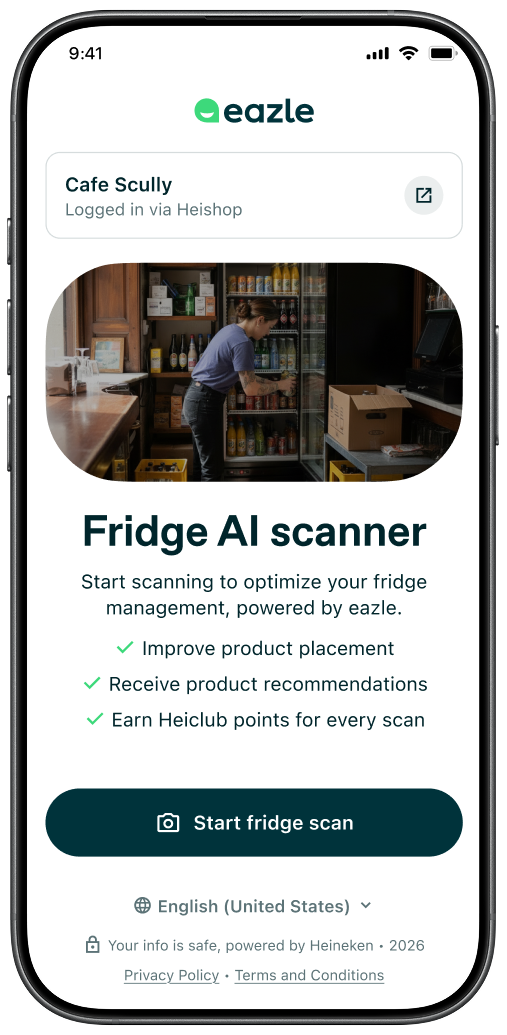
Welcome screen
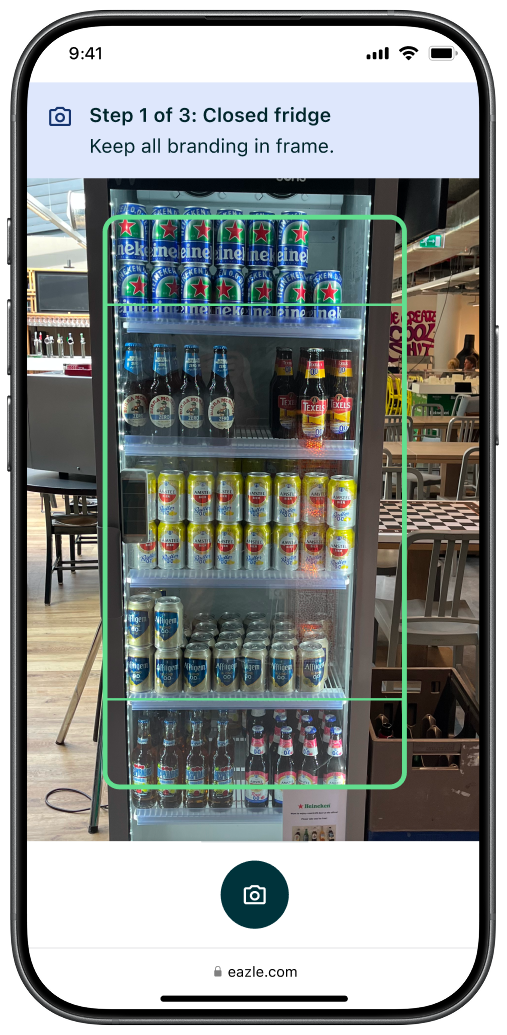
Scan your fridge
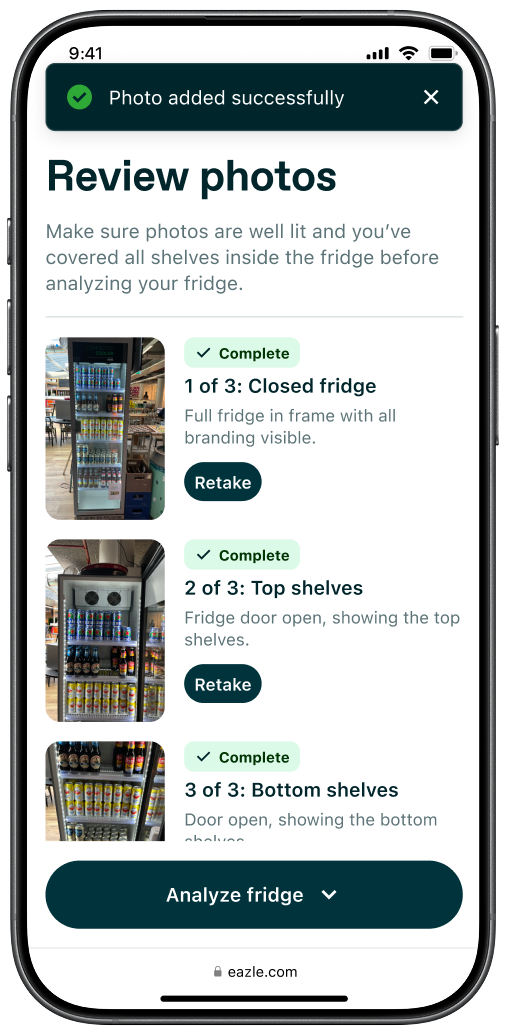
Scan review
The AI Fridge Scanner
Overview
Outlet owners — the bar managers, shop owners, and restaurant operators who stock and sell Heineken products — had no way to self-assess whether their fridges met Heineken's branding, placement, and presentation standards. That check required a sales rep visit. I led the end-to-end design of the AI Fridge Scanner, from conceptualization through on-site testing to delivery. Outlet owners photograph their own fridge, and the photos are run through our AI image recognition feature to generate a compliance score against Heineken's Picture of Success guidelines, showing exactly what's missing and surfacing a direct path to restock. For outlet owners, completing a scan earns loyalty reward points. For Heineken, it means real-time visibility into whether commercial and brand standards are being met across their outlet base, without relying solely on field visits. Launched in Brazil and Mexico in June 2026, built in 2.5 months.
The problem
Monitoring fridge compliance across thousands of outlets was a manual, time-consuming process dependent on field visits. Sales reps spent significant time on compliance checks rather than strategic conversations, and outlet owners had no visibility into whether their product placement was working until someone came to tell them. The goal was to give outlet owners that ability themselves, in real time, from their phone, saving time on both sides, and connecting the action to something they already cared about: earning loyalty rewards.
The design
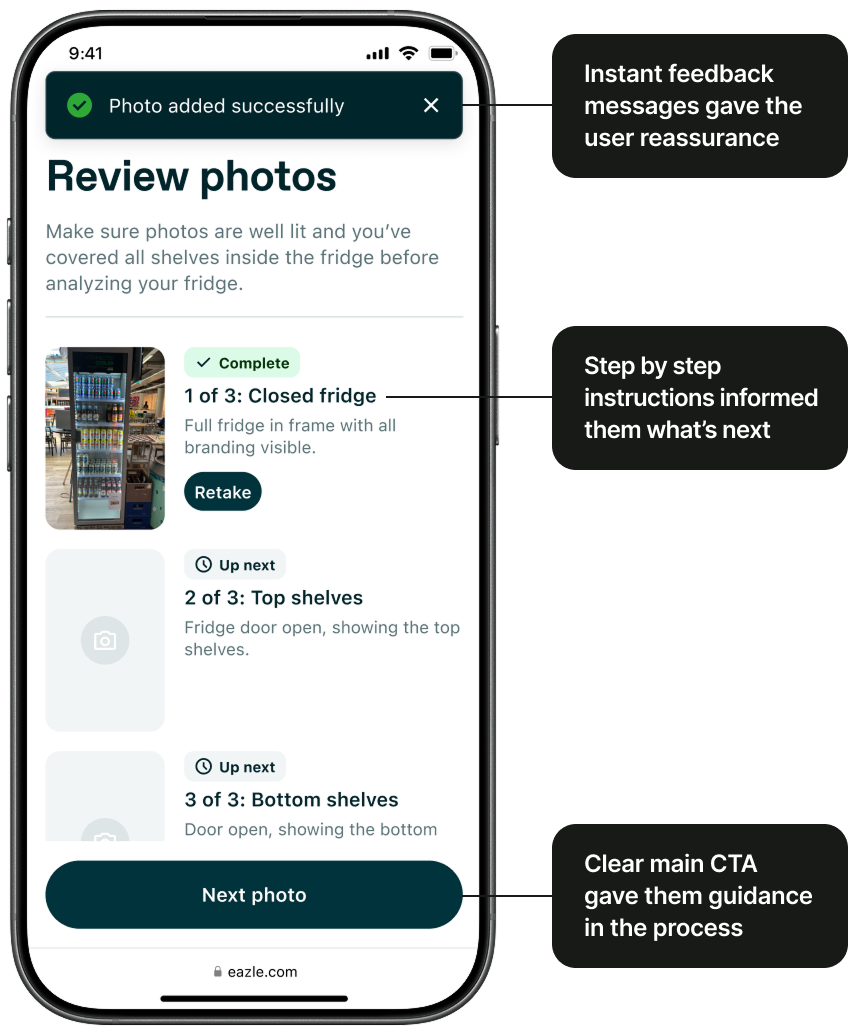
The scanner guides users through three photos: the closed fridge exterior, the top shelves open, and the bottom shelves open. My initial instinct was to keep it to two, a closed shot and one open shot, but these fridges are often placed in tight spaces, making it hard to capture all shelves in a single open shot, so splitting it was the right call for a first release. The photos are run through our AI image recognition feature to generate a compliance score, a list of missing or misplaced products, and a direct path to add them to cart. The experience is embedded as a web app inside the existing eazle platform, removing any need for a separate app install, which was a deliberate decision for markets where device storage and willingness to download are real barriers.
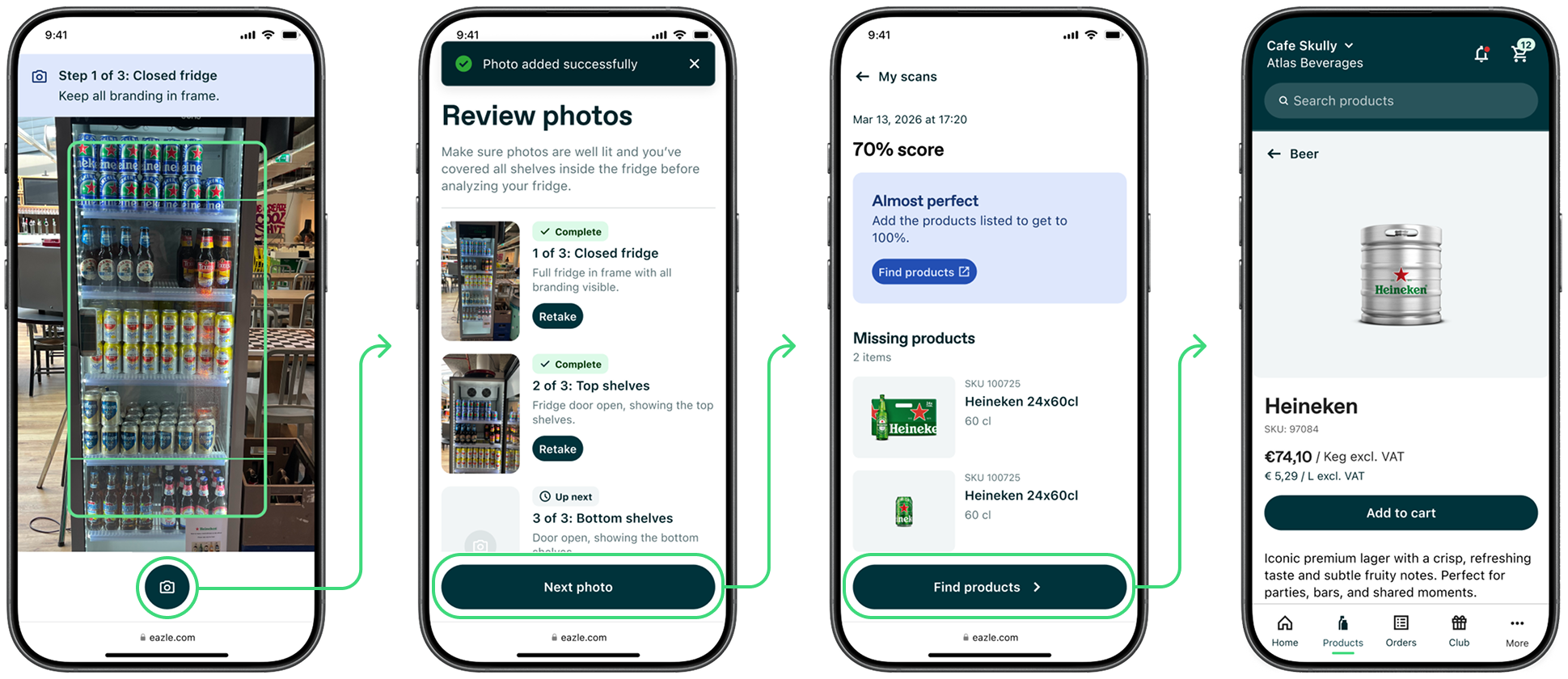
Synthesized scan your fridge journey
Testing in context
The feature was designed for outlet owners in Brazil and Mexico, two markets with specific language, digital literacy, and device conditions we couldn't assume. Before releasing, I worked with our CX Growth team to build an interview guide for on-site usability testing in Rio de Janeiro, carried out by a local agency with real outlet owners, in their outlets, on their devices.
My intention going into testing was not only about journey completion, but rather to understand whether shop owners found genuine value in going through it, and they did. Users trusted the platform, understood the concept, and interacted naturally with the product recommendations at the end. The friction that existed lived in the middle of the journey, moments where users lost track of where they were or what was expected of them next. Those got fixed by improving the copy and providing clearer, more pragmatic instructions, one task per screen, one step at a time.
Testing in Brazil proved indispensable to the process, because it gave us the chance to leave out any biases we may have started this journey with, thousands of kilometers away, and try our solution in real context, with real people before launch.
Results
The AI Fridge Scanner launched in Brazil and Mexico in June 2026. Outlet owners can now check their own compliance, see exactly what's missing, and restock in the same session, without a sales rep visit. Heineken gains timely and accurate data on whether commercial and brand standards are being met across their outlet base, at a scale field visits alone couldn't reach. The feature went from concept to live product in 2.5 months.
Other case studies


- Apr ’26
- Navigation
- Prod. design
How efficient navigation solved our biggest reordering obstacle
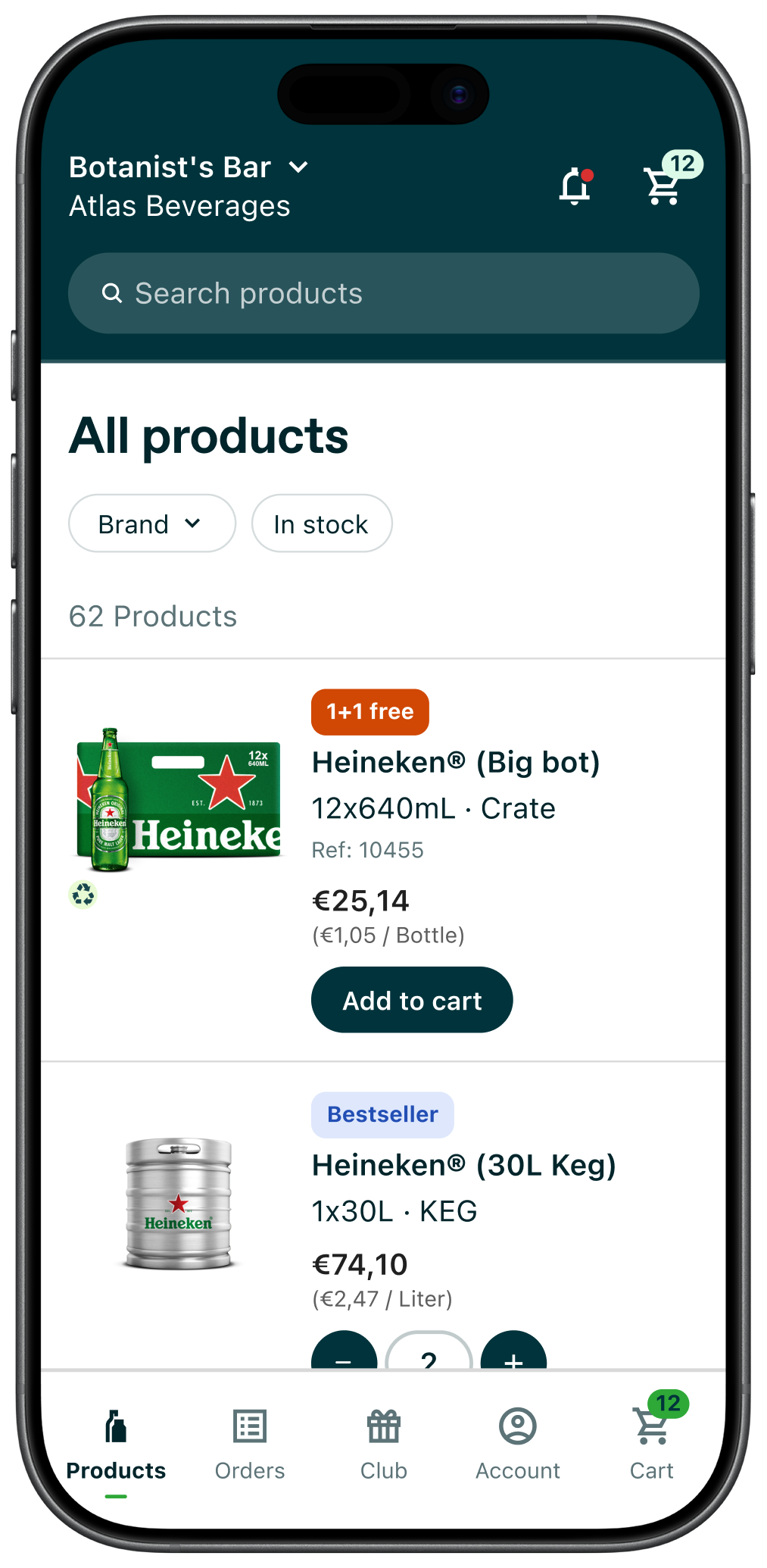
Shop owners who need to reorder drinks frequently for their businesses were forced to repeatedly navigate between the product list and order history through a hidden hamburger menu. I designed and tested a bottom nav bar that brought key sections within reach, validated with real data, and iterated to make their reordering journey more efficient.

- Nov ’25
- W.o.W
- UX research
When discovery became a team sport
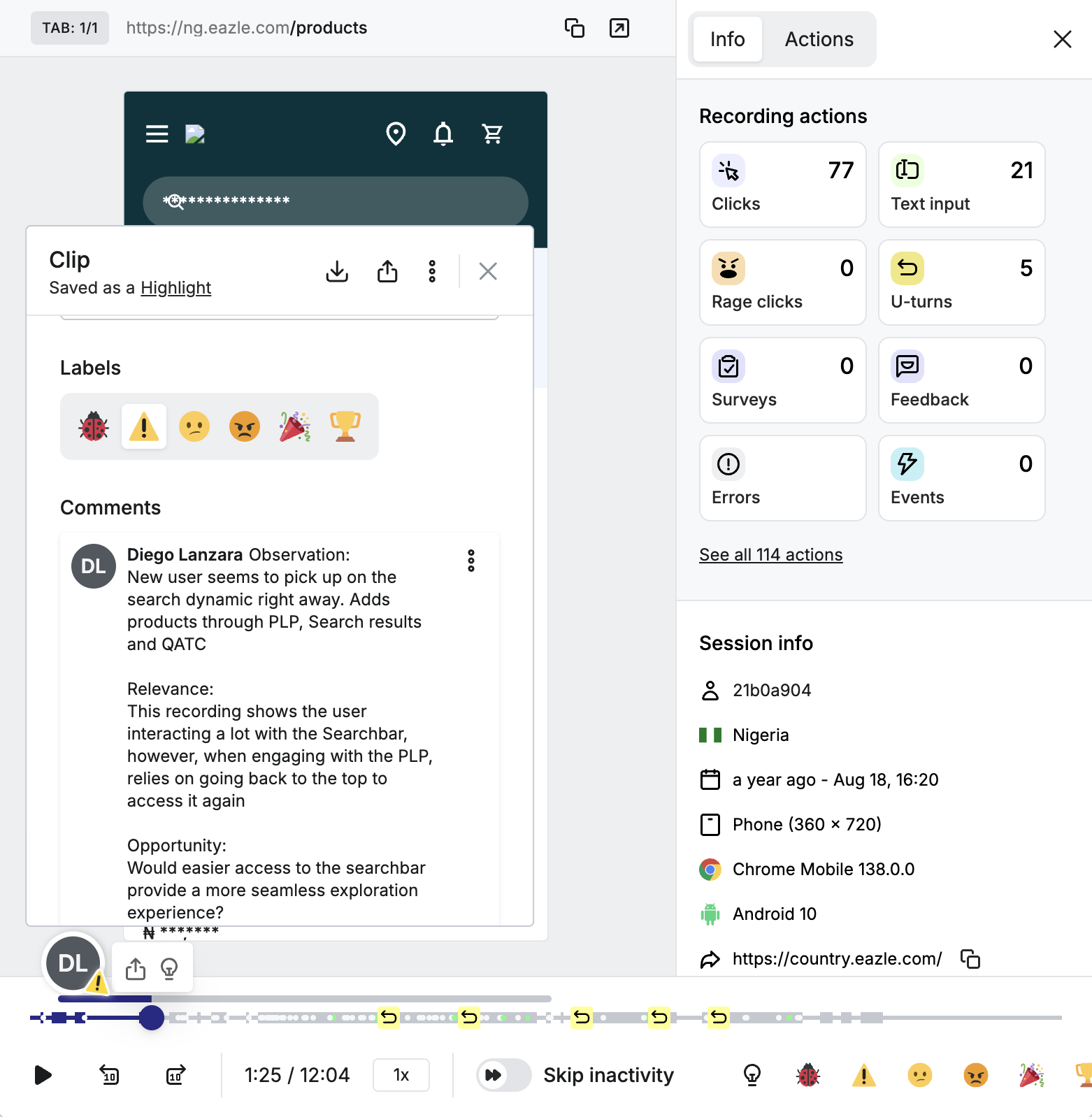
A simple ritual changed how our designers, developers, and business representatives collaborated on building our B2B platform at Heineken. Insights coming out of discovery rarely reached the people building the product, and I wanted to fix that. I designed and led the concept of User Behavior Watchparties, where the whole team observed real user struggles together and built shared ownership over the solution.

- 2020
- Loy. program
- Prod. design
Designing for users who didn't yet trust digital banking
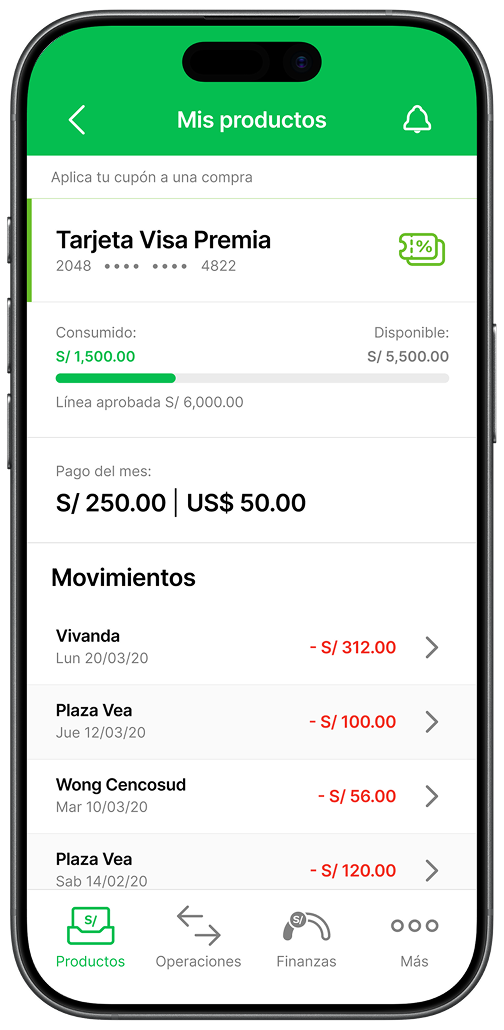
I led the end-to-end redesign of the Visa Premia credit card's loyalty program for Interbank, Peru's third largest bank, for users who were just warming up to online banking and were skeptical of big banks. Through multiple rounds of interviews and design iterations, we turned a program people had stopped using into one that doubled coupon redemption in six months.